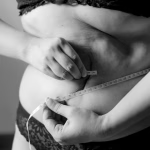
Excess belly fat is one of the most common and frustrating health concerns for adults. Many people search for quick fixes, but lasting results come from following a realistic belly fat diet plan that supports natural belly fat/fat loss rather than extreme measures. Belly fat is not only a cosmetic issue; it is closely linked to overall health, metabolism, and lifestyle habits. The best approach focuses on nourishing the body with the right foods, maintaining consistency, and supporting digestion and hormone balance. When done correctly, losing belly fat naturally becomes achievable and sustainable.
A belly fat diet plan focuses on whole foods, balanced meals, and healthy habits to support natural fat loss. By improving digestion, stabilizing blood sugar, and reducing processed foods, this approach helps decrease abdominal fat safely and sustainably without extreme dieting.
Understanding Belly Fat and Natural Fat Loss
Belly fat develops due to a combination of factors such as poor diet, lack of physical activity, stress, and hormonal imbalance. Unlike fat stored in other areas, abdominal fat is more sensitive to lifestyle choices. This makes it possible to reduce it naturally through dietary changes and healthier daily habits.
Natural belly fat/fat loss does not happen overnight. It requires patience and a clear understanding of how food affects the body. Highly processed foods, excess sugar, and refined carbohydrates contribute significantly to belly fat storage. On the other hand, whole foods rich in fiber, protein, and healthy fats support metabolism and help reduce fat accumulation around the waist. A well-structured belly fat diet plan works by creating balance rather than restriction.
Why a Belly Fat Diet Plan Works Better Than Quick Fixes
A dedicated belly fat diet plan is more effective than temporary detoxes or crash diets because it addresses the root causes of fat gain. Quick fixes may lead to rapid weight loss, but they often result in muscle loss, fatigue, and rebound fat gain, especially around the belly.
A proper diet plan focuses on steady calorie control, improved digestion, and blood sugar stability. Protein-rich foods help maintain muscle and promote fullness, while fiber supports gut health and reduces bloating. Healthy fats contribute to hormone regulation, which plays a major role in fat distribution. This balanced approach supports consistent belly fat/fat loss without putting stress on the body.
Foods That Support a Belly Fat Diet Plan and Fat Loss
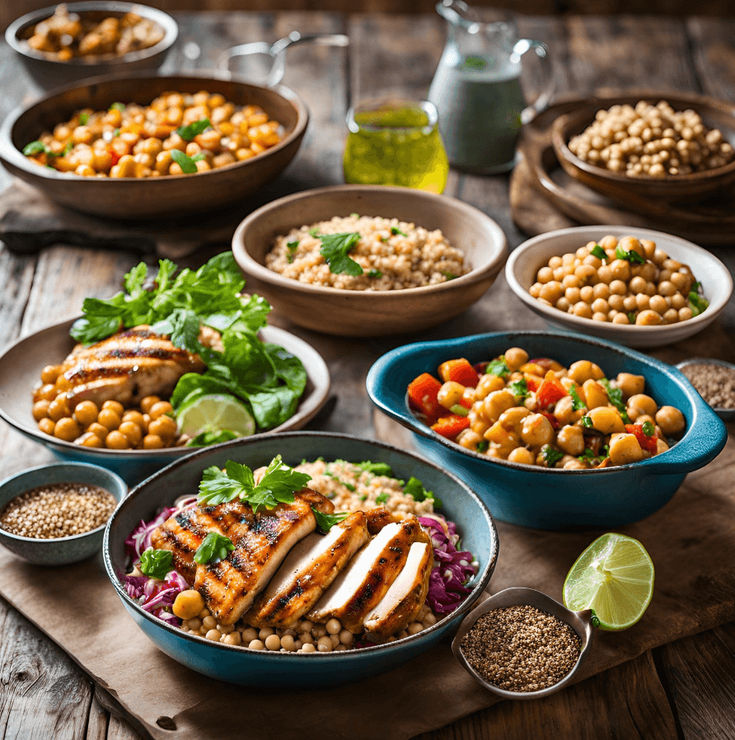
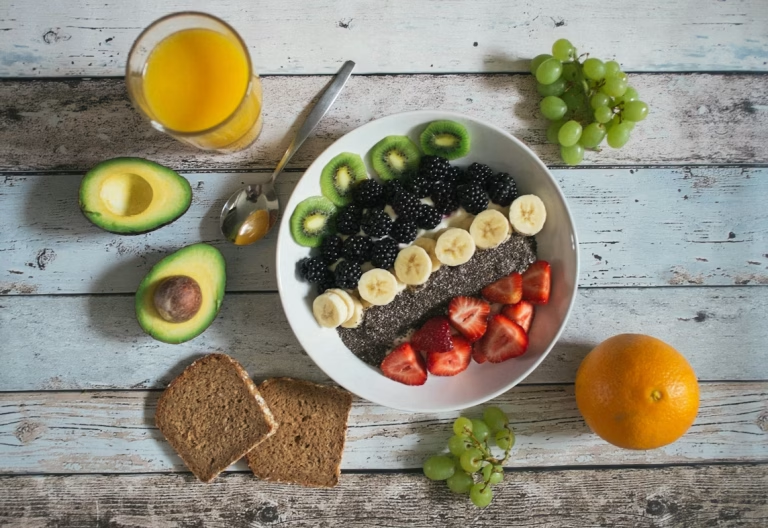
The success of any belly fat diet plan depends largely on food quality. Whole, nutrient-dense foods help the body burn fat more efficiently while keeping hunger under control. Vegetables, fruits, whole grains, lean proteins, and healthy fats should form the foundation of daily meals.
Fiber-rich foods such as vegetables, legumes, and whole grains improve digestion and reduce fat storage around the abdomen. Lean proteins like eggs, fish, poultry, and plant-based sources help preserve muscle mass while promoting fat loss. Healthy fats from nuts, seeds, and oils support satiety and metabolic health. When these foods are consumed regularly, the body naturally moves toward belly fat/fat loss without extreme effort.
Daily Eating Habits That Reduce Belly Fat Naturally
Beyond food choices, eating habits play a major role in reducing belly fat. Eating at consistent times helps regulate appetite and prevents overeating. Skipping meals often leads to intense hunger later, increasing the likelihood of unhealthy food choices.
Mindful eating is especially important for a belly fat diet plan. Eating slowly and without distractions allows the body to recognize fullness signals, reducing excess calorie intake. Drinking enough water throughout the day also helps reduce bloating and supports digestion. These daily habits may seem simple, but they significantly enhance belly fat/fat loss when practiced consistently.
Lifestyle Balance and Its Role in Belly Fat Loss
Diet alone cannot guarantee results if lifestyle factors are ignored. Stress, sleep quality, and physical activity all influence how the body stores and burns fat. High stress levels increase cortisol, a hormone strongly associated with belly fat storage.
Adequate sleep supports hormone balance and appetite regulation, making it easier to follow a belly fat diet plan. Regular physical activity, even low-impact movement like walking, helps improve metabolism and supports fat loss. When diet and lifestyle work together, belly fat/fat loss becomes more efficient and long-lasting.
Final Thoughts on the Best Belly Fat Diet Plan Naturally
The best approach to losing belly fat naturally is one that prioritizes health, balance, and consistency. A realistic belly fat diet plan focuses on whole foods, steady eating habits, and supportive lifestyle choices rather than extreme restrictions. Natural belly fat/fat loss is not about perfection but about making sustainable improvements that fit into daily life. When these principles are followed consistently, reducing belly fat becomes a healthy and achievable goal that benefits both physical appearance and overall well-being.
FAQs
1) Can I really lose belly fat naturally with a belly fat diet plan?
Yes. A consistent belly fat diet plan that focuses on whole foods, controlled portions, and balanced meals can support natural belly fat/fat loss over time. Results depend on consistency, sleep, stress levels, and activity.
2) How long does it take to see belly fat/fat loss results?
It varies for everyone. Some people notice reduced bloating within 1–2 weeks, while visible fat loss may take several weeks. Sustainable belly fat/fat loss usually happens gradually with regular healthy habits.
3) What foods should I avoid to reduce belly fat?
Limit sugary drinks, sweets, refined carbs (white bread, pastries), highly processed snacks, and frequent fast food. These can increase calorie intake and blood sugar spikes, which can contribute to belly fat storage.
4) Do I need to do exercise along with a belly fat diet plan?
Exercise is not mandatory, but it strongly helps. Walking, strength training, and light cardio improve metabolism and support fat loss. Combining movement with a belly fat diet plan gives better and faster results.
5) Why do I look bloated even when I’m following a diet?
Bloating can happen due to high salt intake, low water intake, constipation, eating too fast, or certain foods that don’t suit your digestion. Staying hydrated, increasing fiber gradually, and eating slowly can reduce bloating and improve belly fat/fat loss progress.