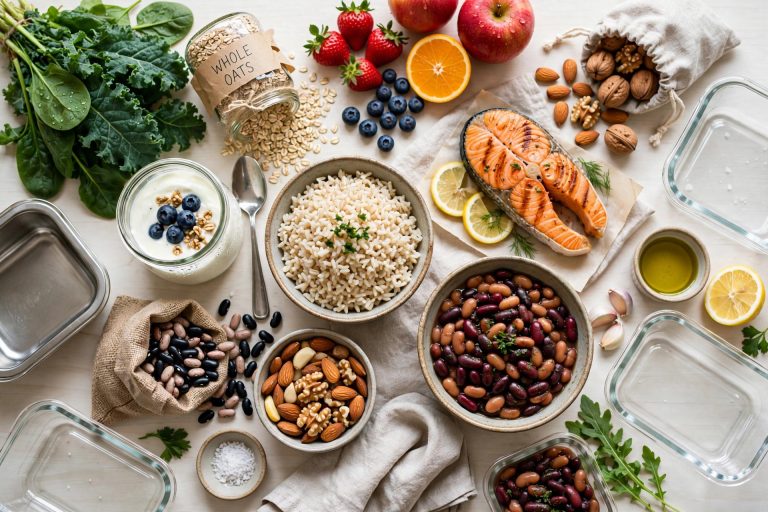
Starting a Weight Loss Diet can feel confusing and overwhelming, especially for beginners who are unsure where to begin. Many people want weight loss results without extreme restrictions, complicated rules, or unsafe methods. A beginner-friendly and safe 7-day diet plan focuses on nourishing the body, improving daily eating habits, and creating consistency rather than forcing rapid changes. The goal is not just to lose weight but to build a healthier relationship with food that supports long-term success. When approached correctly, a short-term plan can be an excellent foundation for sustainable weight loss and overall wellness.
Understanding the Purpose of a 7-Day Weight Loss Diet
A 7-day diet plan for weight loss is designed to introduce structure and balance into daily eating habits. It is not meant to be a crash diet or a quick fix, but rather a guide that helps beginners understand portion control, food choices, and meal timing. For those new to dieting, having a clear plan reduces guesswork and prevents impulsive eating decisions.
This type of plan focuses on whole foods such as vegetables, fruits, lean proteins, whole grains, and healthy fats. These foods provide essential nutrients while keeping calorie intake in check. By following a structured plan for one week, individuals can observe how their bodies respond to healthier meals and regular eating patterns. This awareness plays a key role in long-term weight loss success.
How a Safe Weight Loss Diet Supports the Body
Safety is one of the most important factors in any weight loss journey. A safe weight loss diet ensures the body continues to receive enough nutrients while gradually reducing excess calories. Extreme dieting can lead to fatigue, weakness, nutritional deficiencies, and even weight regain. A beginner-friendly plan avoids these risks by promoting balance and moderation.
Eating regular meals helps maintain stable energy levels and supports digestion. Including protein in each meal helps control hunger, while fiber-rich foods support fullness and gut health. Healthy fats are also important, as they assist with hormone regulation and nutrient absorption. When the body is properly nourished, weight loss becomes more efficient and sustainable.
Daily Eating Habits That Promote Weight Loss
Successful weight loss is not only about what you eat but also how you eat. Simple daily habits can significantly improve results when following a 7-day plan. Eating meals at consistent times helps regulate appetite and prevents overeating later in the day. Drinking enough water throughout the day supports metabolism and helps distinguish hunger from thirst.
Mindful eating is another important habit. Taking time to eat slowly and without distractions allows the body to recognize fullness cues. This reduces the likelihood of consuming excess calories. Preparing meals at home whenever possible also gives better control over ingredients and portion sizes, making it easier to stay aligned with a weight-loss diet.
The Importance of Balance and Consistency in Weight Loss
Balance is the foundation of any effective weight loss plan. Cutting out entire food groups or following overly strict rules often leads to frustration and failure. A balanced approach allows for variety while still supporting weight loss goals. This includes combining carbohydrates, proteins, and fats in appropriate portions at each meal.
Consistency matters more than perfection. Missing a meal or enjoying an occasional treat does not undo progress. What matters is returning to healthy habits without guilt or extreme restriction. A consistent approach builds confidence, supports mental well-being, and encourages long-term adherence. Over time, these balanced habits make weight loss feel more natural and less stressful.
Turning a 7-Day Weight Loss Plan Into a Long-Term Lifestyle
While a 7-day plan is a great starting point, lasting weight loss requires a long-term mindset. The habits learned during this week should be gradually extended into daily life. This includes continuing to choose nutrient-dense foods, practicing portion control, and maintaining regular meal patterns.
A successful transition involves flexibility. Life events, social gatherings, and busy schedules are part of everyday living. A sustainable weight loss diet adapts to these situations without causing setbacks. When healthy eating becomes a lifestyle rather than a temporary phase, weight loss results are more likely to last.
Final Thoughts on Safe and Beginner-Friendly Weight Loss
A 7-day diet plan for beginners is a powerful tool when used correctly. It provides structure, builds awareness, and introduces healthier eating patterns without putting the body at risk. A safe weight loss diet focuses on nourishment, balance, and consistency rather than extreme restrictions. By prioritizing wellness and realistic habits, weight loss becomes achievable, sustainable, and beneficial beyond the number on the scale. When approached with patience and commitment, this plan can be the first step toward a healthier and more confident life.
FAQs
1) Is a 7-Day Diet Plan for Weight Loss safe for beginners?
Yes, when it focuses on balanced meals, reasonable portions, and whole foods. A beginner-friendly plan should include protein, fiber, healthy fats, and enough calories to support daily energy needs. Avoid crash diets or extreme restrictions, as they can cause fatigue and lead to rebound weight gain.
2) How much weight loss can I expect in 7 days?
Results vary depending on starting weight, activity level, sleep, and consistency. Many beginners may notice a small drop on the scale in the first week, but the main benefit is building healthy habits. Safe, sustainable weight loss typically happens gradually over time.
3) Do I need to exercise while following a weight loss diet?
Exercise is not mandatory, but it helps. Even light activity, like a 20–30 minute walk, can support weight loss, improve mood, and boost energy. Combine movement with a balanced weight loss diet for better long-term results.
4) What should I do if I feel hungry on this plan?
First, drink water and check if you’re thirsty. If you’re still hungry, add volume with low-calorie, high-fiber foods like vegetables, salads, or broth-based soups. You can also increase protein slightly (e.g., eggs, yogurt, chicken, lentils) to stay full without overeating.
5) What happens after the 7 days are over?
Use the week as a starting point, not an endpoint. Continue the same principles—balanced meals, portion control, and consistent eating times. A sustainable Weight Loss Diet is flexible and realistic, so you can maintain progress without feeling restricted.