Sticking to a healthy diet can be challenging when life gets busy. Between work, family responsibilities, and daily commitments, many people struggle to prepare nutritious meals consistently. This is where meal prep for weight loss can make a significant difference.
Meal prepping involves planning and preparing meals in advance, helping you stay on track with your nutrition goals while saving time and reducing stress. Instead of relying on fast food or unhealthy convenience meals, a structured weekly meal prep routine ensures you always have balanced, portion-controlled meals ready to eat.
For beginners, meal prep is one of the most effective strategies for sustainable weight loss. It promotes healthier food choices, reduces impulsive eating, and makes it easier to maintain a calorie deficit without feeling deprived. This guide explains how to create a simple and effective healthy meal prep plan designed for long-term success.
What Is Meal Prep for Weight Loss?
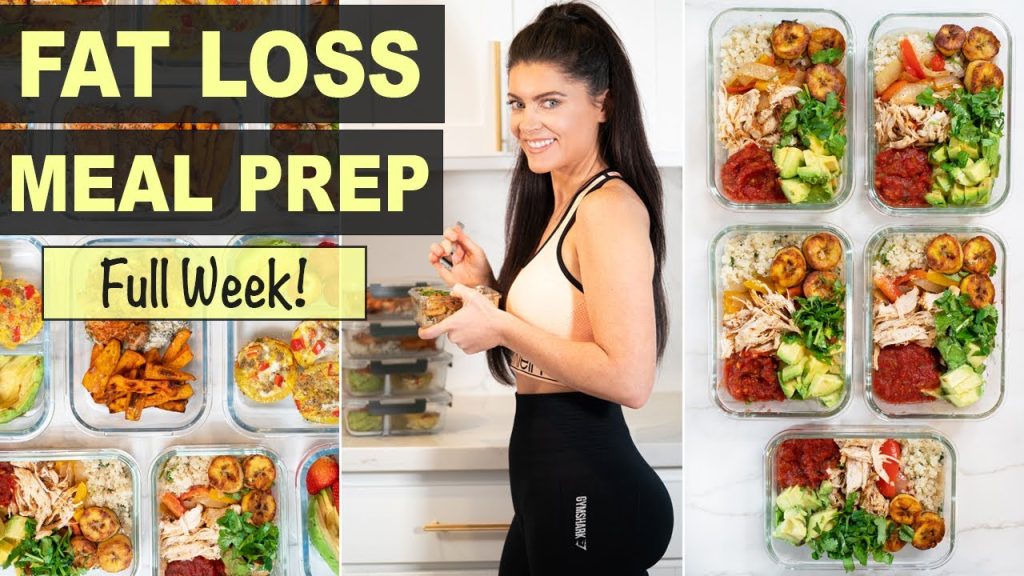
Meal prep for weight loss is the process of preparing meals and snacks ahead of time to support healthy eating habits and calorie control. Rather than deciding what to eat at every meal, you plan your meals for several days or an entire week.
This approach helps:
- Control portion sizes
- Reduce overeating
- Minimize unhealthy food choices
- Save time during busy weekdays
- Support consistent weight loss habits
Many successful weight loss journeys begin with simple planning rather than extreme dieting.
Why Meal Prep Works for Weight Loss
Weight loss occurs when you consistently consume fewer calories than your body burns. However, achieving this can be difficult when meals are unplanned.
A structured weekly meal prep strategy helps eliminate common obstacles that often lead to weight gain.
Better Portion Control
Pre-portioned meals help prevent accidental overeating and make calorie management easier.
Reduced Temptation
When healthy meals are readily available, you’re less likely to choose fast food or high-calorie snacks.
Consistent Nutrition
Meal prepping encourages balanced meals that include protein, healthy carbohydrates, vegetables, and healthy fats.
Less Stress
Knowing exactly what you’ll eat throughout the week removes daily decision-making and helps maintain healthy habits.
Essential Foods for Healthy Meal Prep
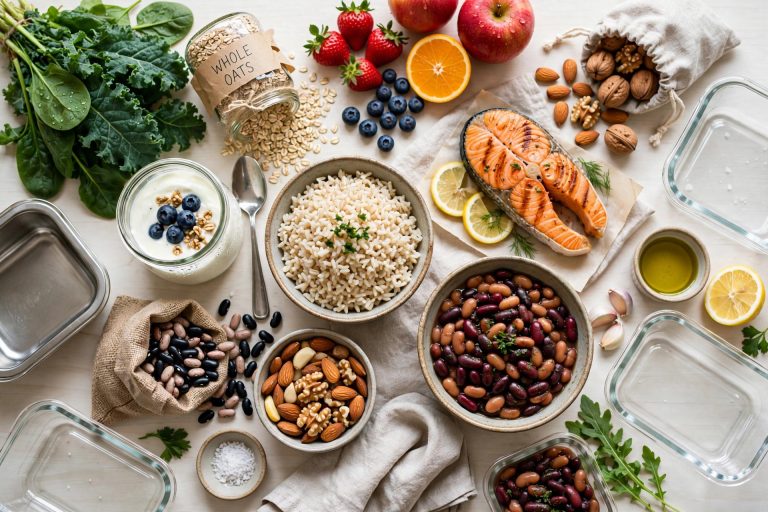
The foundation of effective healthy meal prep is choosing nutrient-dense foods that support satiety and energy levels.
Lean Proteins
Protein helps maintain muscle mass and keeps you feeling full longer.
Examples include:
- Chicken breast
- Turkey
- Eggs
- Greek yogurt
- Tuna
- Salmon
- Tofu
- Lentils
Healthy Carbohydrates
Complex carbohydrates provide long-lasting energy and support workout performance.
Examples include:
- Brown rice
- Quinoa
- Oats
- Sweet potatoes
- Whole-grain pasta
- Whole-wheat bread
Vegetables
Vegetables add volume, fiber, and nutrients without significantly increasing calories.
Examples include:
- Broccoli
- Spinach
- Bell peppers
- Zucchini
- Carrots
- Cauliflower
Healthy Fats
Healthy fats support hormone function and help increase satisfaction after meals.
Examples include:
- Avocados
- Nuts
- Seeds
- Olive oil
- Natural nut butter
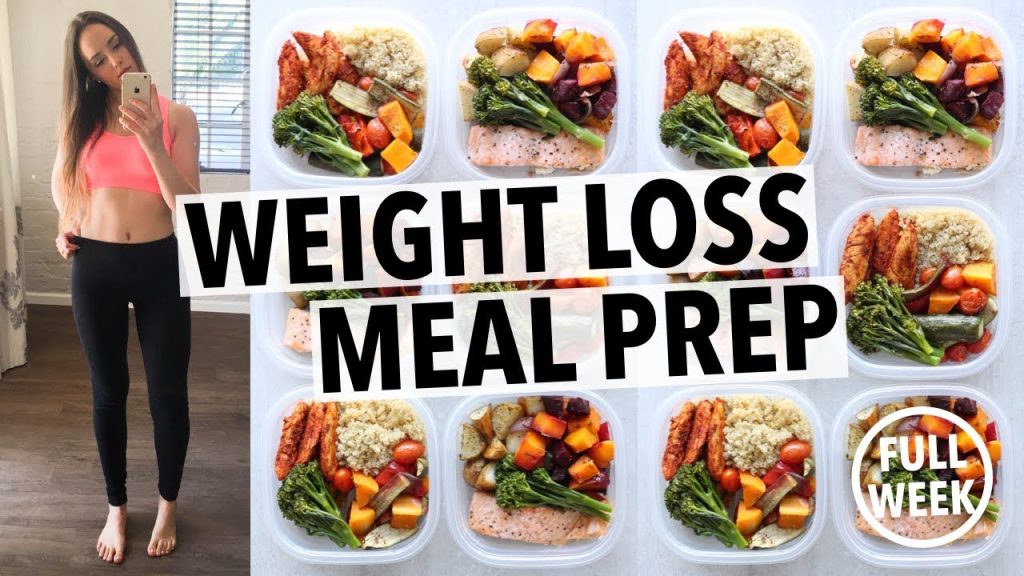
Weekly Meal Prep Plan for Beginners
This beginner-friendly plan uses simple ingredients and easy preparation methods.
Breakfast Options
Prepare 3–4 days at a time.
Option 1: Overnight oats with berries and chia seeds
Option 2: Greek yogurt with fruit and almonds
Option 3: Egg muffins with spinach and vegetables
Lunch Options
Option 1: Grilled chicken, brown rice, and broccoli
Option 2: Turkey wrap with vegetables
Option 3: Quinoa bowl with black beans and mixed vegetables
Dinner Options
Option 1: Baked salmon with roasted vegetables
Option 2: Lean turkey stir-fry
Option 3: Tofu and vegetable bowl
Healthy Snacks
- Apple slices
- Carrot sticks
- Greek yogurt
- Hard-boiled eggs
- Mixed nuts
- Protein smoothies
Sample 7-Day Weekly Meal Prep Schedule
Monday
Breakfast: Overnight oats
Lunch: Chicken, rice, broccoli
Dinner: Salmon and vegetables
Tuesday
Breakfast: Greek yogurt bowl
Lunch: Turkey wrap
Dinner: Stir-fry vegetables and chicken
Wednesday
Breakfast: Egg muffins
Lunch: Quinoa bowl
Dinner: Salmon and roasted vegetables
Thursday
Breakfast: Overnight oats
Lunch: Chicken and vegetables
Dinner: Turkey stir-fry
Friday
Breakfast: Greek yogurt and berries
Lunch: Quinoa bowl
Dinner: Grilled chicken salad
Saturday
Breakfast: Egg muffins
Lunch: Turkey wrap
Dinner: Healthy homemade bowl
Sunday
Breakfast: Oatmeal and fruit
Lunch: Leftover meal prep containers
Dinner: Light vegetable soup
Meal Prep Ideas USA Beginners Love
Many Americans prefer meal prep because it simplifies busy schedules and supports healthy eating goals.
Popular meal prep ideas USA include:
- Chicken and rice bowls
- Burrito bowls
- Mason jar salads
- Protein snack boxes
- Overnight oats
- Sheet pan meals
- Turkey chili
- High-protein breakfast sandwiches
These meals are affordable, easy to prepare, and suitable for beginners.
Common Meal Prep Mistakes to Avoid
Preparing Too Much Food
Start small. Preparing 3–4 days of meals is often easier than preparing an entire week.
Ignoring Variety
Eating the same meal every day can lead to boredom and poor adherence.
Forgetting Protein
Protein helps control hunger and supports weight loss.
Poor Storage
Use airtight containers and refrigerate meals properly to maintain freshness.
Additional Weight Loss Tips
Meal prep works best when combined with other healthy habits.
- Drink plenty of water
- Prioritize sleep
- Manage stress
- Walk daily
- Eat mindfully
- Avoid sugary beverages
These habits help improve long-term weight management results.
Final Thoughts
Well-structured meal prep for a weight-loss plan can transform your eating habits and make healthy choices easier. By planning meals, controlling portions, and focusing on nutrient-dense foods, beginners can create a sustainable routine that supports long-term success.
The goal isn’t perfection; it’s consistency. Small, repeated improvements every week often produce better results than short-term, extreme diets. Start with simple recipes, stay organized, and gradually build a meal prep routine that fits your lifestyle.
FAQs
1. Is meal prep good for weight loss?
Yes. Meal prep helps control portions, reduce unhealthy food choices, and maintain a calorie deficit, making weight loss easier and more sustainable.
2. How many days should I meal prep at once?
Most beginners find preparing 3–4 days of meals at a time manageable while maintaining freshness and food quality.
3. What foods are best for healthy meal prep?
Lean proteins, vegetables, whole grains, fruits, and healthy fats are excellent choices for balanced meal prep.
4. Can meal prep save money?
Yes. Planning meals in advance often reduces food waste, impulse purchases, and frequent restaurant spending.
5. Do I need special containers for meal prep?
Airtight, reusable containers help keep meals fresh and organized, but expensive containers are not necessary to get started.