Losing weight doesn’t have to mean following an extremely low-calorie diet or eliminating your favorite foods. For many adults, a 1500 calorie meal plan provides a balanced and sustainable way to reduce calorie intake while still meeting daily nutritional needs. It offers enough energy to support work, family life, and light physical activity without leaving you constantly hungry.
Unlike restrictive crash diets, a well-planned 1500 calorie diet plan focuses on portion control, nutrient-dense foods, and balanced meals. This approach encourages gradual, healthy weight loss while helping you build eating habits that are easier to maintain over time.
Whether your goal is to lose excess body fat, improve your eating habits, or begin a healthier lifestyle, this beginner-friendly guide explains how a 1500 calorie meal plan works, who it is suitable for, and how to create a simple weekly routine that supports long-term success.
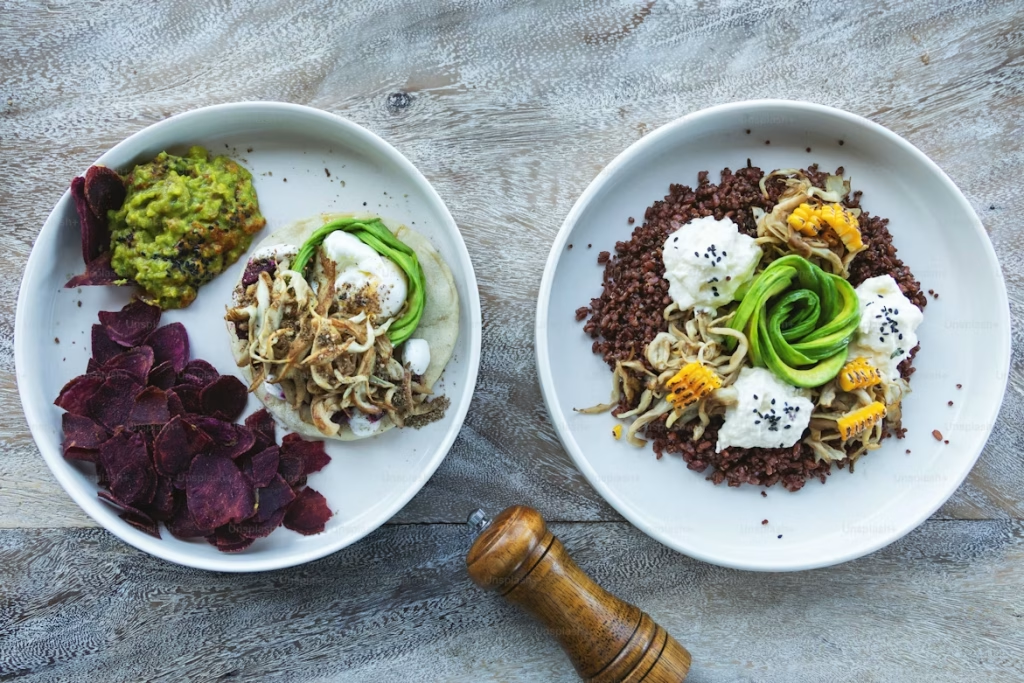
What Is a 1500 Calorie Meal Plan?
A 1500 calorie meal plan is a structured eating plan that provides approximately 1,500 calories per day through balanced meals and nutritious snacks. The goal is to create a moderate calorie deficit while supplying enough protein, carbohydrates, healthy fats, vitamins, and minerals to support overall health.
For many adults in the United States, a 1500 calorie plan can be an effective starting point for weight loss when combined with healthy lifestyle habits. Individual calorie needs vary based on factors such as age, sex, body size, activity level, and medical conditions. Before making significant dietary changes, it’s always a good idea to consult a qualified healthcare professional.
Instead of focusing only on calorie reduction, this plan emphasizes food quality. Whole grains, lean proteins, vegetables, fruits, legumes, and healthy fats provide lasting energy and help reduce hunger throughout the day.
Why a 1500 Calorie Diet Can Support Weight Loss
Weight loss happens when your body consistently uses more energy than it consumes. A moderate calorie deficit allows your body to gradually use stored fat for fuel while preserving muscle mass when adequate protein is included.
A balanced 1500 calorie meal plan supports weight loss by helping you:
Control Portion Sizes
Planning meals reduces overeating and makes it easier to stay within your daily calorie goal.
Reduce Unnecessary Snacking
Balanced meals containing protein and fiber keep you feeling satisfied for longer, helping reduce cravings for processed snacks and sugary foods.
Maintain Energy Levels
Unlike very low-calorie diets, a 1500 calorie plan provides enough energy for most daily activities while supporting gradual fat loss.
Build Long-Term Healthy Habits
Successful weight management isn’t about short-term dieting—it’s about developing consistent eating habits that fit into everyday life.
Foods to Include in a Healthy 1500 Calorie Meal Plan
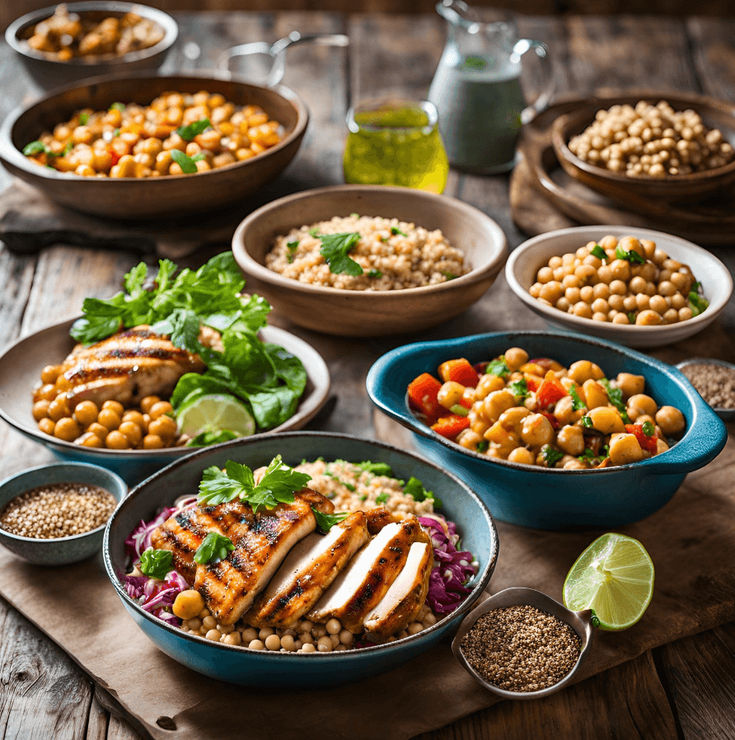
Choosing nutrient-dense foods is one of the most important parts of any weight loss plan. Rather than simply counting calories, focus on foods that provide essential nutrients and promote fullness.
Lean Protein
Protein helps preserve muscle during weight loss and keeps you feeling full between meals.
Healthy options include:
- Skinless chicken breast
- Turkey
- Salmon
- Tuna
- Eggs
- Greek yogurt
- Cottage cheese
- Tofu
- Lentils
- Beans
Aim to include a source of protein at every meal whenever possible.
Healthy Carbohydrates
Carbohydrates provide energy and support brain function. Choosing complex carbohydrates over refined grains can help stabilize blood sugar levels and improve satiety.
Good choices include:
- Brown rice
- Oats
- Sweet potatoes
- Quinoa
- Whole-grain bread
- Whole-wheat pasta
- Beans
- Fruits
These foods also provide fiber, which supports digestive health.
Vegetables
Vegetables are naturally low in calories and rich in vitamins, minerals, antioxidants, and fiber. Filling half your plate with vegetables is a simple way to increase meal volume without adding excessive calories.
Examples include:
- Broccoli
- Spinach
- Bell peppers
- Cucumbers
- Carrots
- Cauliflower
- Green beans
- Mixed salad greens
Healthy Fats
Healthy fats play an important role in hormone production, nutrient absorption, and overall wellness.
Choose foods such as:
- Avocados
- Olive oil
- Almonds
- Walnuts
- Chia seeds
- Flaxseeds
- Natural peanut butter
Moderation is important because healthy fats are calorie-dense.
Benefits of Following a 1500 Calorie Meal Plan
When followed consistently, a balanced calorie-controlled eating plan offers benefits beyond weight loss.
Supports Healthy Weight Management
A structured meal plan helps maintain a calorie deficit while encouraging nutritious food choices.
Encourages Better Meal Planning
Planning meals reduces the temptation to rely on fast food or highly processed convenience meals.
Improves Portion Awareness
Understanding serving sizes helps prevent accidental overeating.
Promotes Balanced Nutrition
Including a variety of food groups ensures your body receives the nutrients it needs for overall health.
Easy to Customize
A 1500 calorie meal plan can be adapted for different dietary preferences, including vegetarian, high-protein, or Mediterranean-style eating patterns.
7-Day 1500 Calorie Meal Plan for Weight Loss
This beginner-friendly 7-day meal plan is designed around approximately 1,500 calories per day and follows balanced nutrition principles commonly used in the United States.
Day 1 (Approx. 1,500 Calories)
Breakfast (350 cal)
- 1 cup oatmeal
- ½ banana
- 1 tbsp peanut butter
Snack (150 cal)
- Greek yogurt (5–6 oz)
Lunch (400 cal)
- Grilled chicken breast (4 oz)
- 1 cup brown rice
- Steamed broccoli
Snack (100 cal)
- Baby carrots with hummus
Dinner (500 cal)
- Baked salmon (4 oz)
- Roasted sweet potato
- Mixed green salad with olive oil
Day 2
Breakfast
Vegetable omelet (2 eggs + spinach + peppers) with whole-grain toast
Snack
Apple slices with almond butter
Lunch
Turkey wrap with whole-wheat tortilla, lettuce, tomato, and avocado
Snack
Low-fat cottage cheese
Dinner
Lean turkey chili with mixed vegetables
Day 3
Breakfast
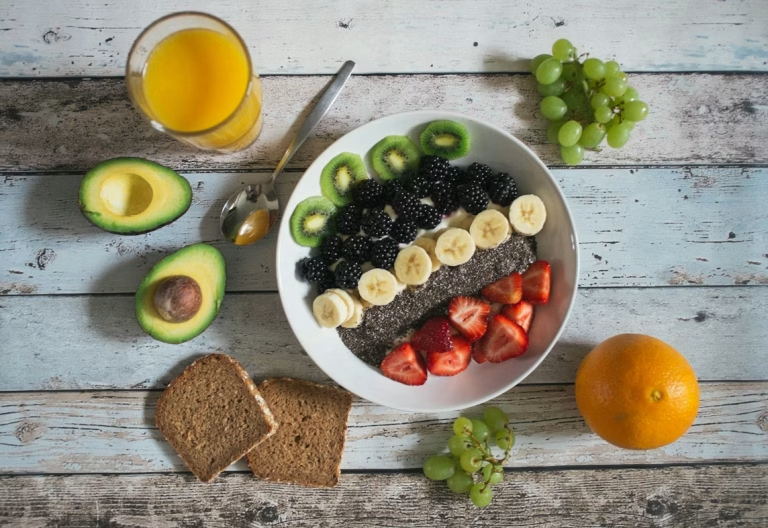
Greek yogurt parfait with berries and chia seeds
Snack
Handful of almonds
Lunch
Quinoa bowl with black beans, corn, cucumber, and grilled chicken
Snack
Orange
Dinner
Shrimp stir-fry with broccoli, zucchini, and brown rice
Day 4
Breakfast
Overnight oats with blueberries and flaxseed
Snack
Hard-boiled eggs (2)
Lunch
Chicken salad with mixed greens, chickpeas, cucumbers, and olive oil vinaigrette
Snack
Bell pepper strips with hummus
Dinner
Baked cod with roasted cauliflower and green beans
Day 5
Breakfast
Protein smoothie (Greek yogurt, spinach, berries, and unsweetened almond milk)
Snack
Walnuts
Lunch
Whole-wheat pasta with grilled chicken and tomato sauce
Snack
Pear
Dinner
Tofu and vegetable stir-fry with quinoa
Day 6
Breakfast
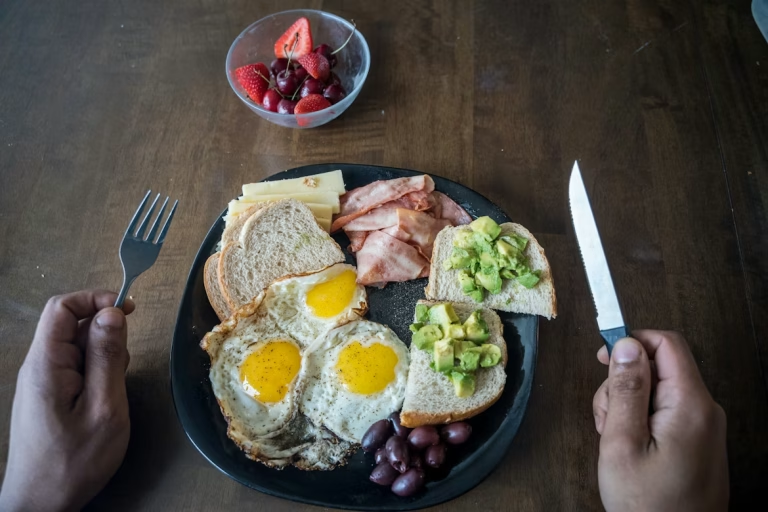
Scrambled eggs with spinach and whole-grain toast
Snack
Greek yogurt
Lunch
Tuna salad with whole-grain crackers and cucumber
Snack
Mixed berries
Dinner
Grilled chicken, roasted sweet potato, and asparagus
Day 7
Breakfast
Oatmeal with strawberries and chia seeds
Snack
Cottage cheese with pineapple
Lunch
Turkey and avocado sandwich on whole-grain bread with a side salad
Snack
Roasted chickpeas
Dinner
Salmon bowl with brown rice, broccoli, carrots, and avocado
Healthy Snack Ideas (100–200 Calories)
Healthy snacks can help prevent overeating at meals and keep energy levels stable.
Best options:
- Greek yogurt
- Cottage cheese
- Boiled eggs
- Roasted chickpeas
- Apple with peanut butter
- Mixed nuts (portion-controlled)
- String cheese
- Edamame
- Berry smoothie
- Carrots with hummus
These snacks fit easily into a calorie-controlled diet while providing protein and fiber.
Meal Prep Tips for Busy Beginners
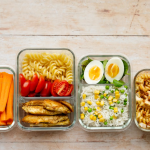
One of the easiest ways to stay consistent is to prepare food ahead of time.
Cook Protein in Batches
Prepare several servings of chicken, turkey, eggs, tofu, or salmon at once.
Chop Vegetables Ahead
Wash and cut vegetables on the weekend to make weekday meals faster.
Use Portion-Controlled Containers
Divide meals into individual containers so calories are easier to manage.
Prepare Breakfasts in Advance
Overnight oats, egg muffins, and yogurt parfaits are excellent meal prep ideas USA beginners love because they save time during busy mornings.
Common Mistakes to Avoid
Skipping Meals
Many beginners try to “save calories” by skipping breakfast or lunch, but this often leads to intense hunger and overeating later.
Drinking Calories
Sugary coffee drinks, soda, juice, and sports drinks can add hundreds of calories without providing much fullness.
Ignoring Protein
Protein is one of the most important nutrients for weight loss because it helps control hunger and supports muscle maintenance.
Estimating Portions
Using measuring cups or a food scale for the first few weeks can help improve portion awareness.
Expecting Overnight Results
Healthy weight loss is usually gradual. Consistency matters more than perfection.
Is 1500 Calories Right for You?
A 1500 calorie meal plan is often suitable for many adults seeking gradual weight loss, especially those who are lightly to moderately active. However, calorie needs are highly individual.
You may need more than 1500 calories if you:
- Exercise intensely
- Have a physically demanding job
- Are taller or have a larger body size
You may need fewer calories if recommended by a healthcare professional.
The best results come from choosing a calorie target that feels sustainable, not overly restrictive.
Final Thoughts
A well-designed 1500 calorie meal plan for weight loss can help you lose weight in a healthy and sustainable way. By focusing on lean protein, fiber-rich vegetables, whole grains, healthy fats, and consistent meal timing, you can create habits that support long-term success.
This plan is especially beginner-friendly because it emphasizes real foods, simple preparation methods, and practical portion control rather than extreme dieting. When combined with adequate sleep, hydration, stress management, and regular physical activity such as walking, a balanced 1500 calorie diet plan can be an effective foundation for lasting weight management.
Remember: successful weight loss is not about being perfect every day. It is about making consistent, healthy choices that you can maintain for months and years, not just for one week.
Frequently Asked Questions (FAQs)
1. Is a 1500 calorie meal plan good for weight loss?
Yes. For many adults, a 1500 calorie meal plan creates a moderate calorie deficit that can support gradual and sustainable weight loss.
2. How much weight can I lose on 1500 calories?
Results vary, but many people lose 1–2 pounds per week when a 1500 calorie plan creates an appropriate calorie deficit.
3. Can I exercise while following this plan?
Absolutely. Walking, strength training, cycling, and other moderate activities can complement the plan and support fat loss and overall health.
4. What if I feel hungry between meals?
Increase vegetables, choose higher-protein snacks, and make sure you are drinking enough water throughout the day.
5. Can vegetarians follow a 1500 calorie meal plan?
Yes. You can replace meat with tofu, tempeh, lentils, beans, edamame, Greek yogurt, or other plant-based protein sources while keeping calories similar.