The ketogenic diet has become one of the most talked-about, trending diets in recent years, especially among people looking for effective weight management and improved metabolic health. A keto diet plan focuses on changing how the body produces energy by drastically reducing carbohydrates and increasing healthy fats. For beginners, understanding what to eat and what to avoid is essential to follow the diet safely and effectively. Rather than being a quick fix, the keto approach is a structured eating pattern that requires clarity, planning, and consistency to see real results.
Understanding How a Keto Diet Plan Works
A keto diet plan works by shifting the body into a metabolic state called ketosis. Normally, the body relies on carbohydrates as its primary energy source. When carb intake is significantly reduced, the body begins to burn fat for fuel instead. This process produces molecules called ketones, which the body uses as an alternative energy source.
For beginners, this shift may take several days. During this period, the body adapts to using fat instead of glucose. This is why understanding the diet’s fundamentals is important before starting. A properly followed keto plan emphasizes fat as the main energy source, includes moderate protein intake, and keeps carbohydrates very low. This balance is what makes the diet effective and distinguishes it from other trending diets.

What to Eat on a Keto Diet Plan for Beginners
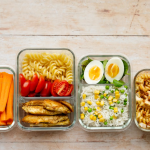
Choosing the right foods is the foundation of a successful keto diet plan. Healthy fats should make up the majority of daily calories. These include foods like avocados, nuts, seeds, olive oil, butter, and fatty fish. These fats provide sustained energy and help maintain ketosis.
Protein should be consumed in moderate amounts. Common protein sources include eggs, poultry, meat, seafood, and some dairy products. Eating too much protein can interfere with ketosis, so portion control is important. Non-starchy vegetables such as leafy greens, broccoli, zucchini, and cauliflower are also encouraged, as they provide fiber and essential nutrients without adding excessive carbohydrates.
Hydration is another key component. Drinking enough water and ensuring proper electrolyte intake supports energy levels and reduces common beginner discomforts. When beginners focus on whole, unprocessed foods, following a keto diet plan becomes simpler and more sustainable.
Foods to Avoid on a Keto Diet Plan
Knowing what to avoid is just as important as knowing what to eat. A keto diet plan restricts foods high in carbohydrates, including sugar, bread, rice, pasta, and most grains. These foods quickly raise blood sugar levels and prevent the body from staying in ketosis.
Sweetened beverages, desserts, and processed snacks should also be avoided, even if they appear healthy. Many packaged foods contain hidden sugars and refined carbs that can disrupt ketosis. Starchy vegetables such as potatoes and corn are typically excluded, as are most fruits, except for small portions of berries.
For beginners, reading food labels becomes an essential habit. Avoiding high-carb foods consistently helps maintain ketosis and improves the effectiveness of the diet. This careful food selection is a defining feature of keto compared to other trending diets.

Common Challenges Beginners Face on the Keto Diet
Starting a keto diet can come with challenges, especially during the first week. Some beginners experience fatigue, headaches, or low energy as the body adapts to burning fat instead of carbohydrates. This adjustment phase is temporary and often referred to as the “keto flu.”
These symptoms can usually be managed by staying hydrated, consuming enough electrolytes, and eating sufficient calories from healthy fats. Another common challenge is maintaining consistency in social situations or busy schedules. Planning meals ahead of time and keeping keto-friendly options available can help beginners stay on track.
Understanding that adaptation takes time helps set realistic expectations. With proper planning and patience, most beginners find that energy levels stabilize and hunger becomes more manageable once the body adjusts to the keto diet plan.
Is a Keto Diet Plan Right for Everyone?
While the keto diet offers benefits for many people, it is not suitable for everyone. Individuals with certain medical conditions, such as kidney disease or specific metabolic disorders, should consult a healthcare professional before starting. Pregnant or breastfeeding individuals may also need a different nutritional approach.
For beginners, it is important to view keto as one option among many trending diets rather than a universal solution. Personal goals, lifestyle, and health status should guide dietary choices. A keto diet plan can be effective when followed correctly, but long-term success depends on whether it fits an individual’s needs and preferences.
Final Thoughts on Following a Keto Diet Plan Safely
A keto diet plan can be an effective and structured approach for beginners when followed with the right knowledge and preparation. Understanding how the diet works, choosing the right foods, and avoiding common pitfalls are key to success. As one of today’s most popular trending diets, keto offers a clear framework, but it requires commitment and informed choices. When approached responsibly, a keto diet plan can support sustainable results while encouraging mindful and intentional eating habits.
FAQs
How many carbs can I eat on a keto diet plan?
Most beginners aim for very low carbs, often around 20–50 grams of net carbs per day, depending on the person. The exact amount varies based on activity level and how your body responds, but staying consistently low is key to ketosis.
What can I eat on a keto diet plan if I’m a beginner?
Focus on fatty fish, eggs, meat, poultry, non-starchy vegetables (like spinach, broccoli, and zucchini), healthy fats (olive oil, avocado, and nuts), and some dairy if tolerated. These foods help keep carbs low while providing energy and nutrients.
What foods should I avoid on keto?
Avoid sugar, bread, rice, pasta, cereals, most grains, sweetened drinks, desserts, and starchy vegetables like potatoes and corn. Most fruits are also limited because they’re higher in natural sugars, except for small portions of berries.
What is the “keto flu,” and how can I prevent it?
The “keto flu” is a temporary adjustment period during which you may feel tired, experience headaches, or have low energy as your body switches from carbs to fat for fuel. It can often be reduced by drinking more water, getting enough salt/electrolytes, and eating adequate calories from healthy fats.
Is the keto diet plan safe for everyone?
Not always. People with certain medical conditions (such as kidney disease), those who are pregnant or breastfeeding, or anyone taking blood sugar or blood pressure medications should consult a healthcare professional before starting. Keto is one of many trending diets, and the best choice depends on your health and lifestyle.