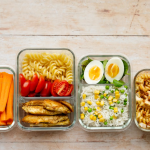
Managing diabetes requires more than just medication; it depends heavily on daily food choices. A carefully planned healthy meal plan plays a critical role in controlling blood sugar levels, maintaining energy, and preventing complications. For people living with diabetes, eating the right foods at the right times can significantly improve quality of life. As part of medical/condition-based diets, a diabetic diet is designed to be safe, balanced, and sustainable rather than restrictive or extreme. When followed correctly, it supports long-term health while allowing individuals to enjoy meals without constant worry.

Understanding Diabetes and the Importance of a Healthy Meal Plan
Diabetes affects how the body processes glucose, making blood sugar management essential. Without proper dietary control, blood sugar levels can fluctuate, leading to fatigue, frequent hunger, and long-term health risks. A healthy meal plan helps stabilize these levels by focusing on consistent meals, balanced nutrients, and controlled portions.
Unlike general diets, diabetic eating plans are tailored to reduce blood sugar spikes while still providing enough energy and nutrition. Carbohydrates are not eliminated but are managed carefully, proteins support fullness, and healthy fats help slow digestion. Understanding this balance allows individuals to take control of their condition rather than feeling restricted by it.
Doctor-Recommended Healthy Meal Plan Principles for Diabetes
Doctors and nutrition professionals recommend a healthy meal plan for diabetes that emphasizes whole, minimally processed foods. These plans prioritize vegetables, whole grains, lean proteins, and healthy fats while limiting added sugars and refined carbohydrates. This approach aligns with proven guidelines for medical/condition-based diets worldwide.
Meal timing is equally important. Eating at regular intervals helps prevent sudden rises or drops in blood sugar. Portion awareness ensures calorie intake remains appropriate without excessive restriction. A doctor-recommended plan also considers individual factors such as age, activity level, medication use, and overall health, making it both safe and practical for daily life.

Foods That Support a Healthy Meal Plan for Diabetics
The quality of food choices directly affects blood sugar control. A diabetic-friendly healthy meal plan includes fiber-rich vegetables, legumes, and whole grains, which slow glucose absorption and improve digestion. Lean proteins such as poultry, fish, eggs, and plant-based options help maintain muscle and prevent rapid blood sugar changes.
Healthy fats from sources like nuts, seeds, and oils support heart health, which is especially important for people with diabetes. Fruits can still be enjoyed in moderation, paired with protein or fiber to reduce blood sugar spikes. By focusing on nutrient-dense foods, individuals following medical/condition-based diets can maintain better glucose control without feeling deprived.
Daily Eating Habits That Improve Blood Sugar Control
Beyond food choices, daily eating habits play a major role in diabetes management. Skipping meals can lead to unstable blood sugar levels, while overeating may cause sudden spikes. A consistent eating schedule supports smoother glucose regulation throughout the day.
Mindful eating helps individuals recognize hunger and fullness cues, reducing the likelihood of overconsumption. Drinking enough water supports digestion and overall metabolic function. Preparing meals at home allows greater control over ingredients and portion sizes, making it easier to follow a healthy meal plan consistently. These habits may seem simple, but they significantly enhance long-term diabetes management.
Balancing Lifestyle and Medical Condition-Based Diets
A diabetic diet works best when combined with healthy lifestyle choices. Physical activity improves insulin sensitivity and helps the body use glucose more effectively. Even moderate activities such as walking can make a noticeable difference when practiced regularly.
Sleep and stress management are equally important. Poor sleep and chronic stress can raise blood sugar levels, making dietary control more difficult. A balanced approach that includes rest, movement, and nutrition supports the effectiveness of medical/condition-based diets. When lifestyle and diet work together, managing diabetes becomes more achievable and less overwhelming.

Final Thoughts on Following a Safe, Healthy Diabetic Meal Plan
A diabetic diet does not have to be complicated or restrictive to be effective. A safe, doctor-recommended healthy meal plan focuses on balance, consistency, and long-term sustainability. As part of medical/condition-based diets, it empowers individuals to manage diabetes confidently while enjoying nutritious and satisfying meals. With informed food choices, supportive habits, and professional guidance, a healthy meal plan becomes a practical tool for better blood sugar control and improved overall well-being.
A healthy diabetic meal plan focuses on balanced blood sugar levels through fiber-rich vegetables, lean proteins, whole grains, and heart-healthy food choices. This safe and sustainable diet approach, recommended by health professionals, supports long-term diabetes management while helping maintain energy, portion control, and overall metabolic health.
FAQs
What is the best healthy meal plan for diabetes?
A healthy meal plan for diabetes focuses on balanced meals with fiber-rich vegetables, whole grains in controlled portions, lean proteins, and healthy fats. The goal is steady blood sugar control, not extreme restriction. Your doctor or dietitian can tailor the plan to your needs.
Do diabetics need to completely avoid carbohydrates?
No. Carbohydrates are not “bad,” but portion size and type matter. Choose high-fiber carbs like whole grains, beans, and vegetables, and limit refined carbs and sugary foods that cause quick blood sugar spikes.
How often should a person with diabetes eat during the day?
Most people do well with regular meals and planned snacks if needed. Eating at consistent times helps prevent big blood sugar swings. The best schedule depends on your medications, activity level, and daily routine.
What foods should I limit on a diabetic diet plan?
Limit sugary drinks, sweets, refined bread/pasta, heavily processed snacks, and foods high in added sugar. Also watch high-sodium and high-saturated-fat foods, since diabetes increases the risk of heart-related issues.
Is a diabetic diet part of medical/condition-based diets, and why does that matter?
Yes, diabetes nutrition falls under medical/condition-based diets because it’s designed to manage a specific health condition. This matters because the plan should be safe, structured, and often personalized—especially if you take insulin or other blood sugar–lowering medication.