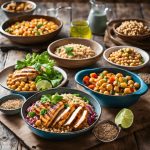
If you want to lose weight without giving up foods you love, a Mediterranean diet meal plan might be the easiest place to start. It is not a strict diet with banned foods or tiny portions. It is a way of eating built around vegetables, fruits, whole grains, beans, fish, olive oil and nuts, and research keeps ranking it among the healthiest eating patterns in the world.
The Mediterranean diet has been studied for decades. Large trials have linked it to better heart health, healthier blood sugar levels and steady, sustainable weight loss when portions are kept reasonable. Unlike crash diets, it does not ask you to cut out entire food groups, which is a big reason people actually stick with it.
In this guide you will get a full 7-day Mediterranean diet meal plan for weight loss, a grocery list, portion tips and answers to the questions beginners ask most.
Why the Mediterranean Diet Works for Weight Loss
Weight loss comes down to eating slightly fewer calories than you burn, but the foods you choose decide how hungry and satisfied you feel while you do it. The Mediterranean pattern works well for three reasons.
First, it is high in fiber. Vegetables, beans, lentils, fruit and whole grains slow digestion and keep you full for hours. People who eat more fiber tend to snack less between meals without trying.
Second, it includes plenty of protein from fish, poultry, eggs, Greek yogurt and legumes. Protein is the most filling nutrient, and it helps protect muscle while you lose fat.
Third, the main fat is olive oil instead of butter or processed oils. Healthy fats add flavor, which makes simple meals taste good enough that you do not feel deprived. Feeling satisfied is what keeps a plan going past week two.
None of this means the weight falls off on its own. Olive oil, nuts and cheese are calorie dense, so portions still matter. The plan below keeps that in mind.
What to Eat on a Mediterranean Diet for Weight Loss
Think of your plate in three parts: half vegetables and fruit, a quarter whole grains or starchy vegetables, and a quarter lean protein, finished with a spoonful of olive oil or a small handful of nuts.
Foods to enjoy every day
- Vegetables: leafy greens, tomatoes, cucumbers, peppers, broccoli, zucchini, carrots, cauliflower
- Fruits: berries, apples, oranges, pears, grapes, melon
- Whole grains: oats, brown rice, quinoa, farro, whole wheat bread and pasta
- Legumes: lentils, chickpeas, black beans, white beans
- Fish and seafood: salmon, tuna, sardines, shrimp (aim for at least twice a week)
- Poultry and eggs in moderate amounts
- Dairy: plain Greek yogurt, small amounts of feta or Parmesan
- Healthy fats: extra virgin olive oil, nuts, seeds, olives, avocado
- Herbs, garlic, lemon and spices for flavor instead of heavy sauces
Foods to keep occasional
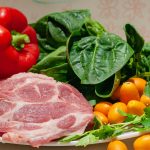
- Red meat: a few times a month rather than every week
- Processed meats like bacon, sausage and deli meats
- Sweets, pastries and sugary drinks
- Refined grains such as white bread and white pasta
- Butter, cream and processed cheese
Nothing is strictly forbidden, which is the point. A small dessert at a family dinner will not undo a week of good eating.
Your 7-Day Mediterranean Diet Meal Plan
Each day lands around 1,500 to 1,700 calories, which supports gradual weight loss for most adults. Adjust portions up or down to match your needs. If you want a stricter calorie target, our 1500 calorie meal plan pairs well with this eating style.
Day 1
Breakfast: Greek yogurt with berries, a spoonful of honey and a tablespoon of chopped walnuts.
Lunch: Large salad with chickpeas, cucumber, tomato, red onion, feta and olive oil lemon dressing, plus a slice of whole wheat pita.
Dinner: Baked salmon with roasted broccoli and a half cup of cooked quinoa.
Snack: An apple with a tablespoon of almond butter.
Day 2
Breakfast: Oatmeal cooked with low fat milk, topped with sliced banana and cinnamon.
Lunch: Lentil soup with carrots, celery and onion, served with a small whole wheat roll.
Dinner: Grilled chicken breast with farro, roasted zucchini and a side salad.
Snack: A small handful of pistachios and a pear.
Day 3
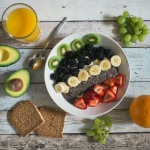
Breakfast: Whole wheat toast with avocado, a boiled egg and cherry tomatoes.
Lunch: Tuna salad (tuna, white beans, red onion, celery, olive oil) over mixed greens.
Dinner: Whole wheat pasta with tomato sauce, white beans and spinach, topped with Parmesan.
Snack: Plain Greek yogurt with a few grapes.
Day 4
Breakfast: Smoothie with frozen berries, spinach, Greek yogurt and a tablespoon of flaxseed.
Lunch: Leftover lentil soup from Day 2 with a side salad.
Dinner: Shrimp stir fry with bell peppers, snap peas and brown rice in garlic olive oil.
Snack: Hummus with carrot and cucumber sticks.
Day 5
Breakfast: Greek yogurt parfait with oats, mixed berries and almonds.
Lunch: Quinoa bowl with roasted sweet potato, black beans, corn, avocado and lime.
Dinner: Baked cod with roasted Mediterranean vegetables and a small portion of couscous.
Snack: An orange and a few olives.
Day 6
Breakfast: Veggie omelet with spinach, mushrooms and tomato, plus a slice of whole wheat toast.
Lunch: Chickpea and avocado wrap in a whole wheat tortilla with shredded lettuce.
Dinner: Turkey meatballs with whole wheat spaghetti and a simple tomato basil sauce.
Snack: A small bowl of mixed nuts (about a quarter cup).
Day 7
Breakfast: Overnight oats with chia seeds, diced apple and cinnamon.
Lunch: Greek salad with grilled chicken, olives, cucumber, tomato and feta.
Dinner: Baked salmon with lentils, sauteed spinach and lemon.
Snack: Cottage cheese with pineapple chunks.
Mediterranean Diet Grocery List
Shop once and you can cover most of the week. See our full weight loss grocery list for a printable version.
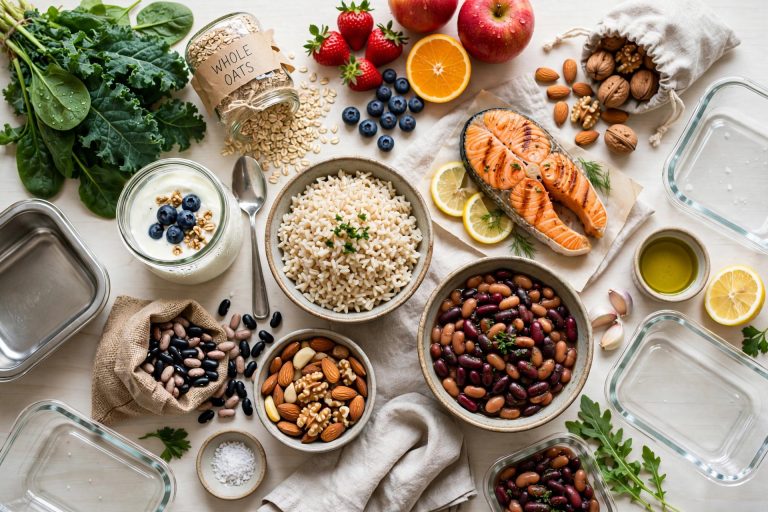
- Produce: spinach, mixed greens, broccoli, zucchini, bell peppers, tomatoes, cucumbers, carrots, celery, onions, garlic, lemons, apples, bananas, berries, oranges, pears, grapes, avocado
- Protein: salmon, cod, tuna (canned in water), shrimp, chicken breast, turkey, eggs
- Legumes: lentils, chickpeas, black beans, white beans
- Grains: oats, brown rice, quinoa, farro, whole wheat pasta, whole wheat bread and pita, couscous
- Dairy: plain Greek yogurt, feta, Parmesan, cottage cheese, low fat milk
- Fats and pantry: extra virgin olive oil, walnuts, almonds, pistachios, flaxseed, chia seeds, olives, hummus
- Herbs and spices: basil, oregano, cinnamon, cumin, black pepper
Portion Tips That Keep the Calories in Check
The Mediterranean diet only supports weight loss when portions stay reasonable. A few simple habits make this easy.
- Measure the oil. One tablespoon of olive oil has about 120 calories. Drizzle, do not pour.
- Pre-portion nuts. A quarter cup is a serving. Eating from the bag can triple that without you noticing.
- Lead with vegetables. Fill half the plate with vegetables first, then add grains and protein around them.
- Watch the cheese. A sprinkle of feta or Parmesan adds flavor for far fewer calories than a thick layer.
- Eat slowly. It takes about 20 minutes for fullness signals to register. Put the fork down between bites.
Common Mistakes to Avoid
The biggest mistake is treating olive oil and nuts as free foods. They are healthy, but the calories count the same as any fat. The second mistake is skipping the fish and beans and eating mostly pasta and bread. The Mediterranean pattern works because plants, legumes and seafood do the heavy lifting.
Another common slip is drinking your calories. Sweetened coffee drinks, juice and alcohol can quietly add hundreds of calories a day. Water, sparkling water and unsweetened tea are the better daily choices.
If dinners are your weak spot, browse our healthy dinner ideas for weight loss for more Mediterranean-friendly options. And if you like cooking once and eating all week, our guide to meal prep for weight loss shows how to batch cook grains, proteins and roasted vegetables on a Sunday.

Frequently Asked Questions
Can I lose weight on the Mediterranean diet?
Yes. Research links the Mediterranean eating pattern with steady weight loss when portions are moderate and total calories are slightly below what you burn. Most people lose weight gradually, around one to two pounds a week, which is easier to maintain than rapid loss.
What should I eat for breakfast on the Mediterranean diet?
Good options include Greek yogurt with fruit and nuts, oatmeal with banana and cinnamon, whole wheat toast with avocado and egg, or a veggie omelet. All of these combine protein, fiber and healthy fat to keep you full until lunch.
Is the Mediterranean diet expensive?
It can be budget friendly. Beans, lentils, oats, frozen vegetables and canned fish are among the cheapest foods in the store. Buying produce in season and choosing store brands keeps costs down.
Can I eat pasta on the Mediterranean diet?
Yes, in sensible portions. Whole wheat pasta with tomato sauce, beans and vegetables is a classic Mediterranean meal. Keep the portion to about one cup cooked and load the sauce with vegetables.
How fast will I see results?
Most people notice better energy and less bloating in the first two weeks, with visible weight change in three to four weeks if portions stay controlled. Sustainable loss of one to two pounds per week is a healthy target.
Start with the 7-day plan above, keep portions honest, and give it a full month. The Mediterranean diet works because it is built for real life, not just for a two-week challenge.