Losing weight does not mean you need to eat meat or follow extreme diet trends. A well-balanced vegetarian diet plan for weight loss can help you burn fat, improve digestion, and boost overall wellness naturally and sustainably.
Many health professionals recommend plant-focused eating because it supports heart health, improves gut function, and promotes steady energy levels. When structured correctly, a plant-based weight loss diet can help you lose weight without feeling deprived.
This complete guide will show you what to eat, what to avoid, and how to create a simple vegetarian meal plan that works.
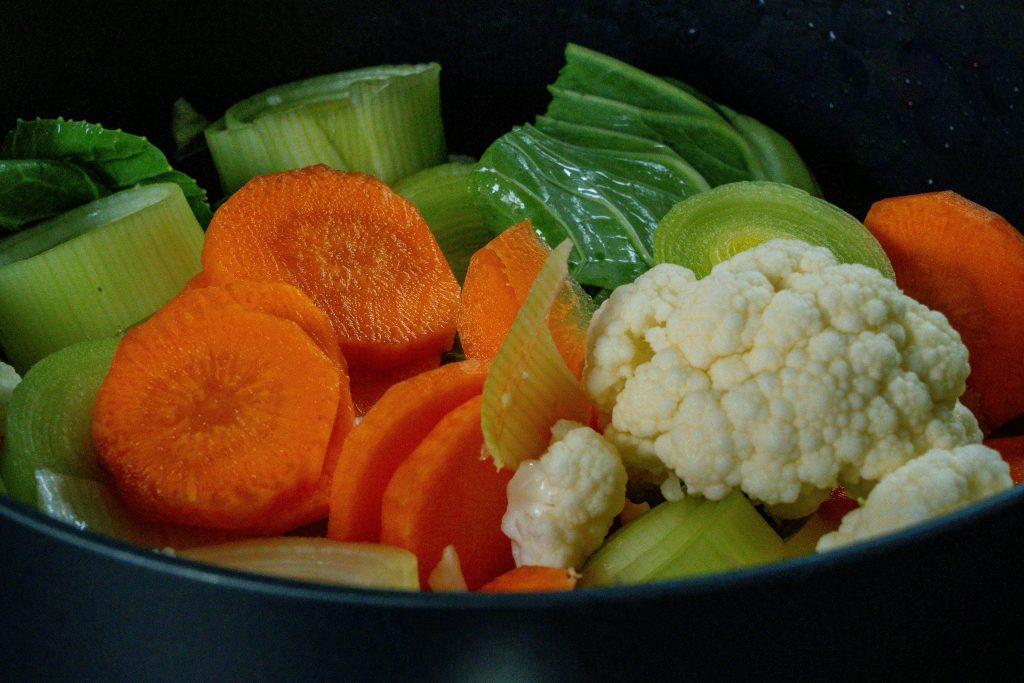
Why Choose a Vegetarian Diet for Weight Loss?
A vegetarian lifestyle focuses on fruits, vegetables, legumes, whole grains, nuts, and seeds. These foods are naturally high in fiber and nutrients while being lower in calories compared to processed or high-fat animal foods.
Benefits of a Vegetarian Diet for Weight Loss:
- High fiber keeps you full longer
- Naturally lower in unhealthy fats
- Supports balanced blood sugar levels
- Improves digestion and gut health
- Encourages heart-healthy food choices
Fiber-rich meals help control hunger and reduce overeating. When your digestion improves, your metabolism also works more efficiently.
What to Eat on a Vegetarian Diet Plan for Weight Loss
A successful vegetarian meal plan focuses on whole, minimally processed foods.
1. High-Protein Vegetarian Foods
Protein helps maintain muscle and keeps you satisfied.
- Lentils
- Chickpeas
- Tofu and tempeh
- Greek yogurt (if not vegan)
- Cottage cheese
- Quinoa
- Beans
2. Fiber-Rich Vegetables
Low in calories, high in nutrients.
- Spinach
- Broccoli
- Zucchini
- Bell peppers
- Cauliflower
- Cucumber
3. Healthy Carbohydrates
Choose slow-digesting carbs.
- Brown rice
- Oats
- Whole wheat roti
- Sweet potatoes
- Millets
4. Healthy Fats
Essential for hormone balance.
- Avocado
- Almonds
- Walnuts
- Chia seeds
- Flaxse
- Olive oil
5. Healthy Veg Recipes Ideas
- Vegetable quinoa bowl
- Lentil soup
- Chickpea salad
- Oats with nuts and seeds
- Tofu stir-fry
Foods to Limit or Avoid
Even vegetarian diets can cause weight gain if poorly planned.
Avoid:
- Fried snacks
- Sugary drinks
- Refined flour products
- Excess sweets and desserts
- Processed vegetarian junk food
Remember: Vegetarian does not automatically mean being healthy. Focus on whole foods.
Sample 7-Day Vegetarian Meal Plan for Weight Loss
This simple vegetarian meal plan supports steady fat loss.
Day 1
Breakfast: Oatmeal with chia seeds and berries
Lunch: Brown rice + mixed vegetable curry + salad
Snack: Handful of almonds
Dinner: Lentil soup + sautéed vegetables
Day 2
Breakfast: Greek yogurt with nuts
Lunch: Quinoa salad with chickpeas
Snack: Apple slices
Dinner: Tofu stir-fry with broccoli
Day 3
Breakfast: Vegetable smoothie with spinach and banana
Lunch: Whole wheat roti + dal + salad
Snack: Roasted chickpeas
Dinner: Grilled paneer with vegetables
Day 4
Breakfast: Scrambled tofu with vegetables
Lunch: Millet bowl with beans
Snack: Mixed seeds
Dinner: Vegetable soup and cottage cheese
Day 5
Breakfast: Oats + peanut butter
Lunch: Lentil curry and brown rice
Snack: Yogurt
Dinner: Zucchini and mushroom stir-fry
Day 6
Breakfast: Fruit and nuts
Lunch: Chickpea wrap
Snack: Green tea + almonds
Dinner: Vegetable quinoa bowl
Day 7
Breakfast: Smoothie bowl
Lunch: Dal + salad + roti
Snack: Seeds mix
Dinner: Light vegetable soup
How Many Calories Should You Eat?
Weight loss depends on calorie balance. Most women lose weight on 1200–1600 calories per day, while men may require 1500–2000, depending on activity level.
Focus on:
- Portion control
- Balanced meals
- Avoiding late-night overeating
Tips for Faster and Safer Weight Loss
- Drink at least 2–3 liters of water daily
- Eat protein with every meal
- Avoid skipping meals
- Walk 30 minutes daily
- Get 7–8 hours of sleep
A vegetarian diet is a safe and sustainable diet approach when combined with consistent habits.
Common Mistakes to Avoid
- Eating too many refined carbs
- Not getting enough protein
- Overeating nuts and high-calorie foods
- Ignoring portion sizes
- Relying on processed vegetarian foods
Balance is key to long-term success.
Is a Plant-Based Weight Loss Diet Effective?
Yes. Research shows that people following a plant-based weight loss diet often consume fewer calories naturally because plant foods are filling yet lower in energy density.
Vegetarian diets also support:
- Better digestion
- Reduced cholesterol
- Improved heart health
- Long-term diabetes management
- More stable energy levels
When planned properly, it can be highly effective and recommended by health professionals.
Final Thoughts
A well-structured vegetarian diet plan for weight loss is not about restriction. It is about choosing nourishing foods that fuel your body while helping you reduce excess fat.
By focusing on whole foods, protein balance, fiber intake, and consistent habits, you can achieve gradual and healthy weight loss.
The key is consistency, not perfection.
Frequently Asked Questions (FAQs)
1. Can I lose weight on a vegetarian diet without exercising?
Yes, weight loss is primarily based on calorie balance. However, combining diet with light activity like walking improves results and supports metabolism.
2. How much protein do I need on a vegetarian diet?
Most adults need about 0.8–1 gram of protein per kilogram of body weight. Include lentils, beans, tofu, yogurt, and seeds daily to meet protein needs.
3. Is a vegetarian diet good for belly fat reduction?
Yes. High-fiber plant foods help reduce bloating and improve digestion, which may help reduce abdominal fat when combined with calorie control.
4. Can I follow this vegetarian meal plan long-term?
Yes. A balanced vegetarian meal plan is safe and sustainable for long-term weight management when properly structured.
5. What if I feel hungry often?
Increase protein and fiber intake. Add more vegetables, legumes, and water. Hunger usually means your meals need a better balance.