Losing weight can feel difficult when your workday is packed with meetings, deadlines, commuting, and little time to cook. The good news is that healthy eating does not have to mean spending hours in the kitchen.
A practical weight loss meal plan for busy professionals should be simple, balanced, affordable, and easy to prepare ahead of time. With the right combination of protein, vegetables, whole grains, healthy fats, and convenient snacks, you can create meals that support your goals without disrupting your schedule.
This 7-day plan provides easy breakfast, lunch, dinner, and snack ideas that can work for busy adults in the USA.
Note: This is a general educational meal-planning guide, not individualized medical or nutrition advice. Calorie and nutrient needs vary from person to person.

What Makes a Good Weight Loss Meal Plan for Busy Professionals?
The best plan is one you can realistically follow. Instead of relying on complicated recipes, focus on meals that require minimal preparation and use ingredients that can be mixed and matched throughout the week.
A healthy meal plan for busy professionals should include:
- Protein-rich foods to help you stay satisfied
- Vegetables and fruits for fiber and nutrients
- Whole grains and other high-fiber carbohydrates
- Healthy fats in moderate portions
- Simple meals that can be prepared in advance
- Convenient snacks for busy workdays
- Plenty of water throughout the day
You do not need to prepare a completely different meal every day. Cooking a few basic ingredients in advance can make healthy eating much easier.
7-Day Weight Loss Meal Plan
Here is a simple 7-day weight loss meal plan designed around quick, practical meals.
Day 1
Breakfast:
Greek yogurt with berries, chia seeds, and a small handful of walnuts.
Lunch:
Grilled chicken salad with mixed greens, cucumber, tomatoes, avocado, and a light dressing.
Snack:
Apple with a small amount of peanut butter.
Dinner:
Grilled salmon with roasted vegetables and a small serving of brown rice.
Day 2
Breakfast:
Two eggs with whole-grain toast and sliced avocado.
Lunch:
Turkey and vegetable whole-grain wrap with lettuce, tomato, cucumber, and hummus.
Snack:
Greek yogurt or a piece of fruit.
Dinner:
Chicken stir-fry with mixed vegetables and brown rice.
Day 3
Breakfast:
Overnight oats made with oats, Greek yogurt or milk, berries, and chia seeds.
Lunch:
Tuna and chickpea salad with leafy greens and vegetables.
Snack:
Carrots and cucumber with hummus.
Dinner:
Lean ground turkey bowl with roasted vegetables, beans, and a small serving of quinoa.
Day 4
Breakfast:
Smoothie made with Greek yogurt, berries, spinach, milk, and chia seeds.
Lunch:
Chicken and quinoa bowl with spinach, tomatoes, cucumber, and avocado.
Snack:
A boiled egg and a piece of fruit.
Dinner:
Baked chicken breast with roasted broccoli and sweet potato.
Day 5
Breakfast:
Whole-grain toast topped with avocado and eggs.
Lunch:
Leftover chicken and vegetable bowl from dinner preparation.
Snack:
Greek yogurt with berries.
Dinner:
Shrimp or chicken tacos using whole-grain or corn tortillas, vegetables, beans, and salsa.
Day 6
Breakfast:
Overnight oats with banana, cinnamon, chia seeds, and Greek yogurt.
Lunch:
Turkey, hummus, and vegetable wrap with a side of fruit.
Snack:
Apple or pear with a small handful of nuts.
Dinner:
Lean beef or tofu stir-fry with mixed vegetables and brown rice.
Day 7
Breakfast:
Vegetable omelet with eggs, spinach, tomatoes, and mushrooms, plus whole-grain toast.
Lunch:
Mediterranean-style chicken bowl with greens, chickpeas, cucumber, tomatoes, and hummus.
Snack:
Greek yogurt with fruit.
Dinner:
Baked salmon or chicken with roasted vegetables and quinoa.

Easy Weight Loss Meals for a Busy Schedule
When your schedule is unpredictable, having a list of easy weight loss meals can prevent you from relying on fast food or skipping meals.
Some practical combinations include:
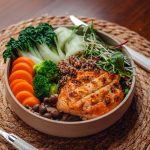
1. Chicken and Rice Bowl
Combine cooked chicken, brown rice, frozen or fresh vegetables, and a simple sauce. Prepare several portions at once and store them in meal containers.
2. Greek Yogurt Breakfast Bowl
Greek yogurt, berries, chia seeds, and a few nuts can create a quick breakfast with protein, fiber, and healthy fats.
3. Turkey Vegetable Wrap
Use a whole-grain wrap, lean turkey, hummus, lettuce, tomato, and cucumber. It can be prepared in just a few minutes.
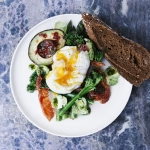
4. Egg and Avocado Toast
Whole-grain toast with eggs and avocado is a simple option when you need breakfast quickly.
5. Salmon and Vegetables
Pre-cooked salmon or leftover baked salmon can be paired with microwaveable brown rice and vegetables for a convenient dinner.
Quick Healthy Meals for Workdays
One of the biggest challenges of healthy eating for busy people is having nutritious food available when hunger strikes.
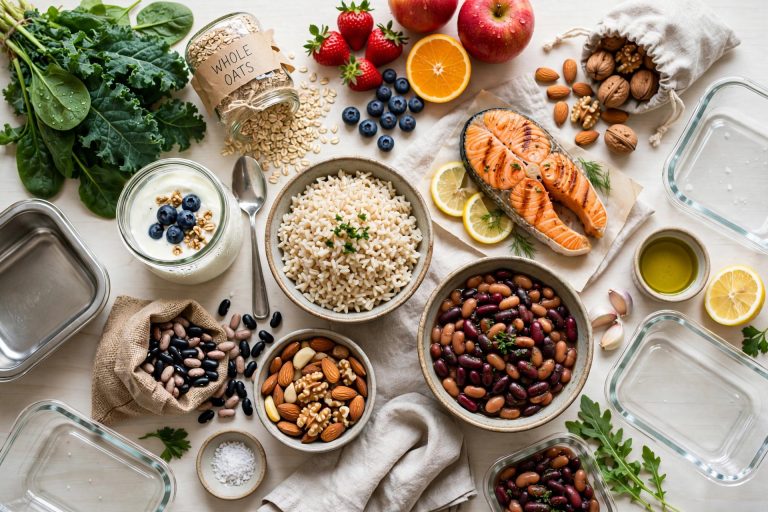
Try keeping convenient ingredients at home or at work, such as:
- Greek yogurt
- Fresh or frozen berries
- Apples and bananas
- Pre-cut vegetables
- Hummus
- Hard-boiled eggs
- Canned tuna
- Low-sugar oatmeal
- Whole-grain wraps
- Nuts and seeds
- Pre-cooked chicken
- Frozen vegetables
- Microwaveable whole grains
These ingredients can be combined into quick, healthy meals without requiring extensive cooking.
Meal Prep for Busy Professionals
You do not need to spend your entire Sunday cooking. A simple meal prep for busy professionals routine can take about an hour or two and make the rest of the week easier.
Step 1: Choose Your Proteins
Prepare two or three protein sources, such as chicken, eggs, salmon, turkey, tofu, or beans.
Step 2: Prepare Vegetables
Wash and chop vegetables or use convenient frozen vegetables when appropriate.
Step 3: Cook Your Carbohydrates
Prepare a batch of brown rice, quinoa, oats, or another whole-grain option.
Step 4: Portion Your Meals
Place combinations of protein, vegetables, and grains into individual containers.
Step 5: Prepare Grab-and-Go Snacks
Keep fruit, yogurt, nuts, or cut vegetables ready for busy workdays.
The goal is not perfection. The goal is to make the healthier choice easier when you are tired or short on time.

How to Make Healthy Eating Easier at Work
Your workplace environment can strongly influence your food choices. Planning ahead can reduce last-minute decisions.
Consider these simple strategies:
Bring lunch from home:
Preparing lunch the night before can make your workday easier.
Keep healthy snacks nearby:
Having fruit, yogurt, or nuts available can help you avoid relying on vending-machine snacks.
Drink water regularly:
Keep a reusable water bottle at your desk.
Use simple restaurant choices:
When eating out, look for meals centered around protein and vegetables, and consider portion sizes.
Do not depend on perfection:
An occasional restaurant meal or dessert does not automatically derail a healthy eating routine. Focus on your overall pattern.
How to Balance Calories Without Complicated Tracking
Weight loss generally involves creating an energy deficit over time, but you do not necessarily need to calculate every calorie to start making practical improvements.
You can begin by focusing on:
- Reasonable portion sizes
- Protein at meals
- Plenty of vegetables
- High-fiber foods
- Fewer sugary beverages
- Fewer highly processed snack foods
- Regular meals that help prevent extreme hunger
If you already track calories, you can use your individual calorie target to adjust portions. Otherwise, a balanced plate approach can be a simple starting point.
For another practical approach, see our guide to a 7-Day Diet Plan for Weight Loss.
Healthy Snacks for Busy Professionals
Snacks can be useful when there are long gaps between meals. Choose options that combine protein, fiber, or healthy fats.
Good choices include:
- Apple with peanut butter
- Greek yogurt with berries
- Carrots with hummus
- Boiled eggs with fruit
- A small serving of nuts
- Cottage cheese with fruit
- Fresh vegetables with hummus
For more ideas, read our guide: Healthy Snacks for Weight Loss: 20 Easy & Filling Snack Ideas.
How to Stay Consistent With a Busy Schedule
A successful meal plan does not have to look perfect every day. Consistency becomes easier when your routine is flexible.
Try these habits:
Keep Breakfast Simple
Choose two or three breakfast options and rotate them throughout the week.
Repeat Lunches
There is nothing wrong with eating the same lunch several days in a row if it saves time.
Prepare Ingredients Instead of Full Meals
Cooking chicken, vegetables, and grains separately gives you more combinations during the week.
Keep Emergency Meals Available
Frozen vegetables, canned beans, tuna, eggs, and whole grains can become a quick meal when you have no time to cook.
Plan Around Your Calendar
If you know you have a late meeting or long commute, prepare your meal before the day begins.
Can This Meal Plan Help With Weight Loss?
A balanced meal plan can support weight management when the overall food intake matches your individual needs and creates an appropriate calorie deficit over time.
However, results vary based on factors such as age, body size, activity level, food intake, sleep, medications, and other individual circumstances.
Rather than looking for a perfect seven-day diet, focus on building eating habits you can maintain for months.
For additional guidance, you can also explore our Healthy Meal Plan for Beginners.
Final Thoughts
A weight-loss meal plan for busy professionals does not require complicated recipes, expensive ingredients, or hours of meal preparation. The most practical approach is to create a simple routine that fits your working life.
Prepare a few ingredients ahead of time, keep convenient, healthy foods on hand, choose balanced meals, and focus on consistency rather than perfection.
Whether you work from an office, work remotely, travel frequently, or have a demanding schedule, small improvements in your everyday food choices can make healthy eating easier to maintain.
Frequently Asked Questions
1. What is a good weight loss meal plan for busy professionals?
A good weight loss meal plan for busy professionals should be simple, balanced, and easy to follow. Focus on protein-rich foods, vegetables, fruits, whole grains, and moderate portions of healthy fats. Preparing meals and snacks ahead of time can also make healthy eating easier during busy workdays.
2. How can busy professionals meal prep for weight loss?
Start by preparing a few basic ingredients once or twice a week. Cook proteins such as chicken or eggs, prepare vegetables and whole grains, and portion meals into containers. Keep easy snacks such as fruit, Greek yogurt, nuts, or hummus available for busy days.
3. What are some quick healthy meals for work?
Quick healthy meals include chicken and rice bowls, turkey and vegetable wraps, tuna salads, Greek yogurt bowls, egg and avocado toast, and chicken or tofu stir-fries. These meals can be prepared ahead of time and packed for work.
4. Can I lose weight without cooking every day?
Yes. You can prepare several meals or ingredients in advance and store them for later. Convenient foods such as frozen vegetables, canned beans, tuna, eggs, Greek yogurt, and pre-cooked whole grains can also help reduce daily cooking time.
5. What should I eat for breakfast when trying to lose weight and working full-time?
Choose a breakfast that is convenient and satisfying, such as Greek yogurt with berries, overnight oats, eggs with whole-grain toast, or a protein-rich smoothie. Preparing breakfast the night before can save time on busy mornings.
6. What can I eat for lunch at work to lose weight?
A balanced work lunch can include a protein source, vegetables, a high-fiber carbohydrate, and a moderate amount of healthy fat. Examples include a chicken salad, turkey wrap, tuna and chickpea bowl, or chicken and quinoa bowl.
7. What are the best snacks for busy professionals trying to lose weight?
Convenient options include apples with peanut butter, Greek yogurt with berries, boiled eggs with fruit, carrots with hummus, cottage cheese with fruit, and a small portion of nuts. Choose snacks based on your hunger, overall diet, and individual nutritional needs.
8. How do I eat healthy when I have a busy work schedule?
Plan meals around your work calendar, prepare food ahead of time, keep healthy snacks available, and carry lunch when possible. Having a few quick meals ready can make it easier to avoid last-minute food choices.
9. How many meals should I eat per day for weight loss?
There is no single number of meals that works for everyone. Some people prefer three meals, while others include one or more snacks. What matters is the overall quality and amount of food consumed and whether the eating pattern fits your routine and nutritional needs.
10. Can I eat restaurant food while following a weight loss meal plan?
Yes. You can still eat at restaurants while working toward weight-management goals. Look for meals that include protein and vegetables, consider portion sizes, and choose water or another low-calorie beverage when appropriate. Your overall eating pattern matters more than one individual meal.