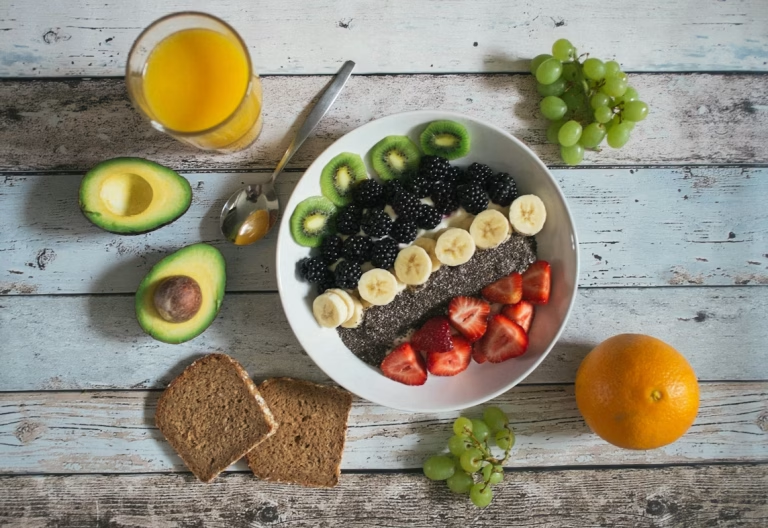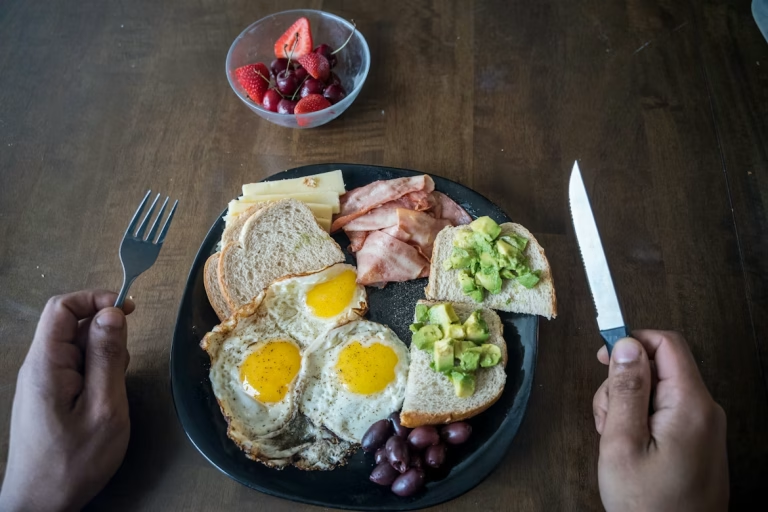
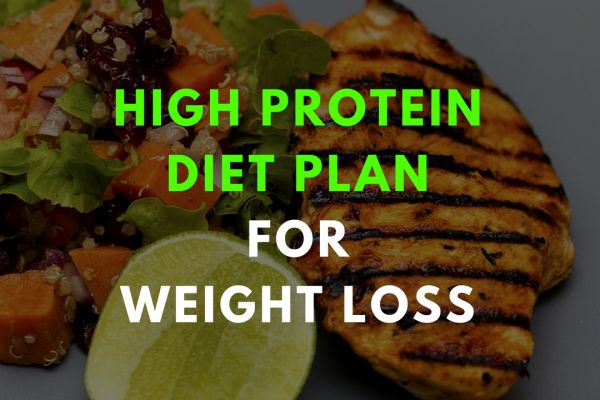
If you’re looking for a sustainable way to lose weight without feeling hungry all the time, a high protein diet plan for weight loss may be one of the most effective approaches. Protein is an essential nutrient that helps build and maintain muscle, supports metabolism, and keeps you feeling full longer after meals.
Many people struggle with weight loss because they constantly battle cravings and hunger. A high-protein eating plan helps solve this problem by improving satiety and reducing the urge to snack between meals. For this reason, many nutrition experts recommend increasing protein intake as part of a balanced weight loss strategy.
Whether you’re just beginning your health journey or looking to improve your current eating habits, this guide explains how a high-protein diet works, what foods to eat, and how to create a practical meal plan that supports long-term success.
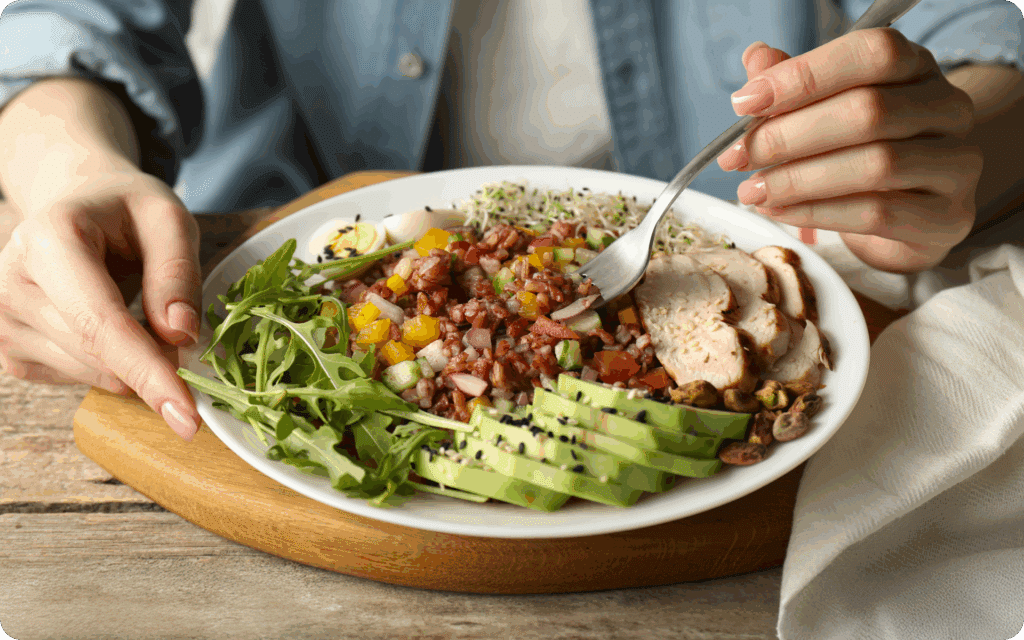
What Is a High Protein Diet?
A high protein diet focuses on increasing protein intake while maintaining a balanced amount of carbohydrates and healthy fats. Protein plays an important role in nearly every function of the body, including muscle repair, hormone production, and immune support.
Unlike restrictive fad diets, a high-protein approach emphasizes nutrient-dense foods that help maintain energy levels while supporting fat loss.
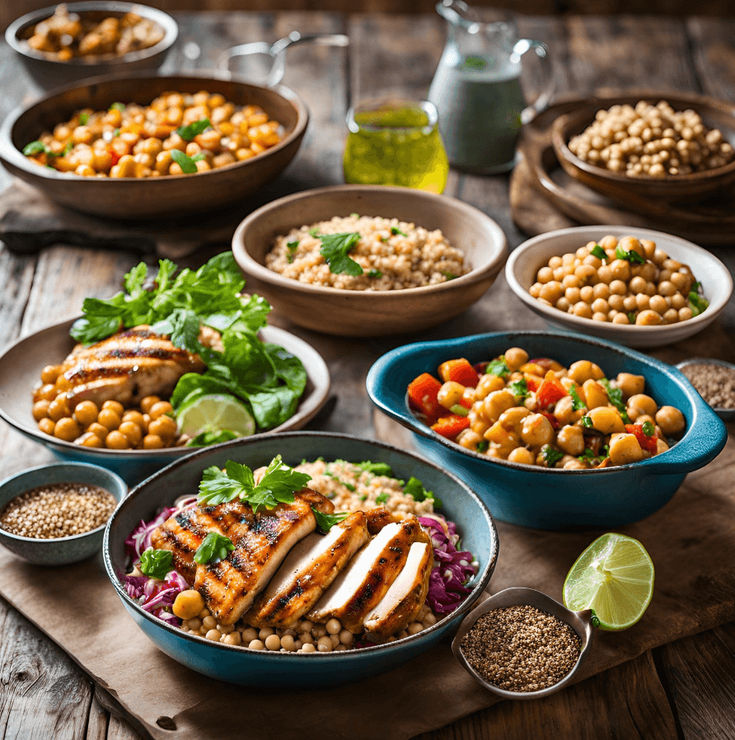
Common high-protein foods include:
- Chicken breast
- Turkey
- Eggs
- Greek yogurt
- Fish and seafood
- Lean beef
- Cottage cheese
- Tofu
- Lentils
- Beans
- Protein-rich dairy products
The goal is not to eliminate carbohydrates but to create balanced meals that help control appetite and support weight management.
Why Protein Helps With Weight Loss
Protein is often called the most satisfying macronutrient because it helps reduce hunger and promotes fullness.
Increased Satiety
High-protein meals help people feel full for longer periods. This can naturally reduce daily calorie intake without requiring strict portion restrictions.
Supports Fat Loss
When combined with a calorie-controlled eating plan, higher protein intake can help preserve lean muscle mass while the body burns stored fat for energy.
Boosts Metabolism
The body uses more energy to digest protein compared to carbohydrates and fats. This process, known as the thermic effect of food, may slightly increase calorie expenditure.
Better Blood Sugar Control
Protein slows digestion and helps support more stable blood sugar levels, reducing energy crashes and cravings.
Best High Protein Foods for Weight Loss
Choosing high-quality protein sources is essential for a successful diet plan.
Lean Animal Proteins
- Skinless chicken breast
- Turkey breast
- Tuna
- Salmon
- Shrimp
- Eggs
- Low-fat Greek yogurt
Plant-Based Proteins
- Lentils
- Chickpeas
- Black beans
- Edamame
- Tofu
- Tempeh
- Quinoa
Healthy Protein Snacks
- Cottage cheese
- Protein smoothies
- Roasted chickpeas
- Hard-boiled eggs
- Greek yogurt with berries
Sample High Protein Diet Plan for Weight Loss
This beginner-friendly plan follows balanced nutrition principles commonly used in the United States.
Breakfast
Vegetable omelet with 2 eggs and spinach
1 slice whole-grain toast
Black coffee or tea
Morning Snack
Greek yogurt with blueberries
Lunch
Grilled chicken breast
Brown rice
Steamed broccoli
Afternoon Snack
Handful of almonds
Dinner
Baked salmon
Roasted vegetables
Mixed green salad
Evening Option
Cottage cheese or a protein shake if needed
High Protein Meal Prep Tips
Meal preparation can help you stay consistent and avoid unhealthy food choices during busy weekdays.
Cook Protein in Batches
Prepare chicken, turkey, eggs, or tofu ahead of time for easy meals throughout the week.
Use Portion-Controlled Containers
Pre-portioned meals help prevent overeating and make calorie management easier.
Include Vegetables in Every Meal
Vegetables add fiber and nutrients while helping you feel full without excessive calories.
Keep Healthy Snacks Available
Stock your refrigerator with protein-rich options to reduce temptation from processed snacks.
Common Mistakes to Avoid
Eating Too Much Protein
More protein is not always better. Balance remains important for overall nutrition.
Ignoring Fiber
Protein should be combined with vegetables, fruits, and whole grains for digestive health.
Choosing Processed Protein Foods
Protein bars and processed products can contain added sugars and unnecessary calories.
Skipping Meals
Consistent eating patterns help maintain energy and support healthy weight management.
How Much Protein Do You Need?
Protein needs vary depending on age, activity level, and body weight.
Many adults aiming for weight loss benefit from consuming approximately:
- 20–30 grams of protein per meal
- Protein distributed evenly throughout the day
Individual needs may vary, and people with specific medical conditions should seek personalized advice from a healthcare professional.
Is a High Protein Diet Safe?
For most healthy adults, a balanced high-protein diet is considered safe and effective. The key is choosing nutritious protein sources while maintaining adequate fiber, hydration, and overall calorie balance.
A high-protein eating plan should support a healthy lifestyle rather than replace other important aspects of wellness such as physical activity, sleep, and stress management.
Final Thoughts
A well-designed high protein diet plan for weight loss can help reduce hunger, support muscle maintenance, and improve long-term weight management results. By focusing on lean proteins, vegetables, whole foods, and balanced meals, you can create sustainable eating habits that fit into everyday life.
Successful weight loss isn’t about perfection or extreme restrictions. It’s about consistency, smart food choices, and developing habits you can maintain for the long term. A high-protein approach offers a practical and effective path toward achieving your health and wellness goals.
FAQs
1. Is a high protein diet good for weight loss?
Yes. Protein helps increase fullness, reduce hunger, and preserve muscle mass during weight loss, making it one of the most effective nutrition strategies.
2. How much protein should I eat each day?
Protein needs vary, but many adults aiming for weight loss benefit from consuming protein at each meal and snack throughout the day.
3. Can I follow a high protein diet without eating meat?
Yes. Plant-based protein sources such as lentils, beans, tofu, tempeh, and quinoa can provide adequate protein for many people.
4. What are the best high protein snacks?
Greek yogurt, cottage cheese, boiled eggs, roasted chickpeas, nuts, and protein smoothies are excellent high-protein snack options.
5. Can a high protein diet help reduce belly fat?
A high-protein diet can support overall fat loss by reducing hunger and improving satiety. Combined with calorie control and healthy habits, it may contribute to reduced abdominal fat over time.